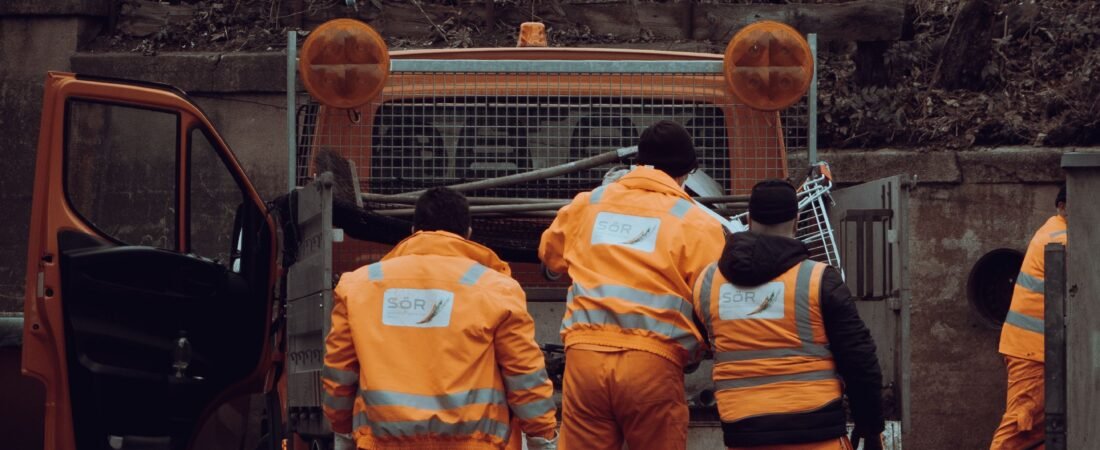
If you are looking for unskilled jobs in Germany with visa sponsorship, Germany is a great place for foreigners who are searching for employment opportunities. Foreigners without a university degree often think they can’t find sponsorship.
If you want to relocate to Germany for employment, first you need to understand the available jobs, visa requirements, salary expectations, and the recruitment process. This guide explains how to find legitimate opportunities and what international applicants should know before applying.
Can foreigners get unskilled jobs in Germany with visa sponsorship?
The answer is yes, foreigners can work in certain entry-level jobs in Germany, but getting a work visa for an unskilled position is not always straightforward.
Germany does not have a general work visa that allows every foreigner to enter the country for any low-skilled job. Most employment-based immigration routes are designed for qualified workers, vocationally trained applicants,s or specific categories of employment.
Opportunities may exist through seasonal employment, certain permitted recruitment arrangements and other immigration routes. An employer offering a job does not automatically guarantee that you qualify for a German work visa.
Before accepting an offer, confirm that the position is eligible for your immigration route and that the employer can provide the necessary employment documents.
Types of unskilled jobs in Germany for foreigners
The following jobs may be suitable for applicants without a university degree. Requirements vary depending on the employer, location, and immigration rules.
1. Warehouse workers and packers
Warehouses, distribution centres and logistics companies employ workers to organise products, pack orders, label packages and prepare goods for delivery.
Their roles include:
- Packing and sorting products.
- Loading and unloading deliveries.
- Checking inventory.
- Preparing customer orders.
Physical fitness, reliability, and attention to detail are important. Some employers provide on-the-job training.
2. Cleaning jobs
Cleaning companies, hotels, hospitals, and commercial buildings employ cleaners to maintain hygienic environments.
Common positions include office cleaners, hotel housekeeping assistants, and industrial cleaning workers.
Previous experience may be helpful, but many entry-level positions do not require formal qualifications.
3. Farm and agricultural workers
Agriculture provides seasonal employment opportunities, particularly during planting and harvesting periods.
Duties include:
- Picking fruits and vegetables.
- Sorting agricultural products.
- Packing harvested crops.
- Maintaining farm areas.
These jobs can involve long hours outdoors and physically demanding tasks. Seasonal employment is subject to specific immigration conditions.
4. Factory and production workers
Manufacturing companies sometimes recruit production assistants to support daily operations.
Responsibilities may include operating basic machinery, assembling products, inspecting finished goods, and packaging items.
Employers may provide training, although some positions require previous factory experience or basic technical knowledge.
5. Hotel and restaurant assistants
Germany’s hospitality industry offers entry-level positions in hotels, restaurants, and catering businesses.
Possible jobs include kitchen assistants, dishwashers, housekeeping staff, and restaurant support workers.
Basic German language skills can improve your chances, particularly when the role involves communicating with customers or colleagues.
6. Construction labourers
Construction companies sometimes hire general labourers to assist with building and maintenance projects.
Tasks may include moving materials, preparing work areas, cleaning construction sites, and assisting experienced tradespeople.
Applicants should be physically fit and willing to follow workplace safety instructions. Some construction positions require specific experience or qualifications.
Visa options for unskilled workers in Germany
Understanding the immigration rules is particularly important if you are applying from outside Europe.
1. Seasonal work arrangements
Germany has seasonal employment in agriculture and other industries. However, opportunities for workers from outside the EU are restricted. Nigerian nationals should not assume they qualify for Germany’s seasonal worker arrangements.
Before applying, check whether your nationality and proposed employment are covered by the applicable immigration rules.
2. Vocational training visa (Ausbildung)
An alternative is Germany’s vocational training programme, known as Ausbildung. It allows eligible foreigners to undertake practical training while learning a profession.
Training opportunities are available in areas such as hospitality, food preparation, technical occupations, and other trades. Applicants generally need a training contract and must satisfy the applicable language and financial requirements.
This is not an unskilled work visa, but it can provide a practical route into the German labour market.
3. Opportunity card (Chancenkarte)
Germany’s Opportunity Card allows eligible foreign nationals to enter the country to search for qualified employment.
Applicants must meet the relevant qualification, language, and financial requirements under the applicable points-based or recognised qualification route.
This card is not a general permit for unskilled workers to move to Germany and take any available job.
The following factors influence earnings in common entry-level positions:
| Job position | Factors affecting salary |
| Warehouse worker | Shift patterns and workload |
| Cleaner | Employer and working hours |
| Farm worker | Seasonal contract and hours |
| Factory worker | Production duties and shifts |
| Kitchen assistant | Restaurant or hotel |
| Construction labourer | Experience and responsibilities |
| Hotel housekeeper | Location and employer |
Always compare the gross salary with the expected take-home pay. Taxes, social insurance contributions, accommodation and transport costs can significantly affect how much money you save.
Germany’s statutory minimum wage also provides an important starting point when checking whether an employment offer is fair.
Requirements for foreigners applying for jobs in Germany
Although requirements differ between employers and immigration categories, international applicants should prepare the following:
- A valid international passport.
- An updated CV or resume.
- Relevant work experience, where required.
- Educational or vocational certificates, if applicable.
- Basic German language skills.
- A genuine employment offer where required by the visa category.
- Proof of financial resources or accommodation, where applicable.
- Any additional documents requested by the German embassy.
You do not necessarily need a university degree for every entry-level position. However, meeting the immigration requirements for the particular job is essential.
How to apply for unskilled jobs in Germany from abroad
If you are applying from another non-EU country, follow these steps:
- Identify suitable vacancies: Look for entry-level positions that match your experience and abilities.
- Check the employer: Confirm that the company is genuine and has a verifiable business presence.
- Submit your application: Send your CV and any requested supporting documents.
- Attend an interview: Employers may conduct online interviews before making an employment decision.
- Confirm the immigration route: Check whether the job qualifies for a work visa under German immigration rules.
- Apply for the appropriate visa: Submit your application through the responsible German diplomatic mission before travelling.
- Prepare for relocation: Make arrangements for accommodation, transportation and other living expenses.
A job offer alone does not permit you to work in Germany. You must obtain the appropriate authorisation before starting employment.
Do you need to speak German to get an unskilled job?
German language skills are not compulsory for every entry-level position, but learning the language can improve your employment opportunities.
Some international workplaces accept English-speaking applicants, particularly for certain warehouse, production, and hospitality roles.
Basic German can make it easier to understand instructions, communicate with supervisors, and settle into everyday life.
Learning German to at least A2 or B1 level can be a useful starting point, although the required level depends on the job and visa category.
Ways to avoid visa sponsorship scams
Scammers always target foreigners who need jobs, especially those from poor countries.
Before paying anyone or sharing sensitive documents, consider these precautions:
- Avoid recruiters promising guaranteed German work visas.
- Never pay large sums for a job offer without proper verification.
- Confirm the employer’s company name and contact information.
- Request a written employment contract.
- Check the salary, working hours, and accommodation arrangements.
- Verify visa requirements through official German immigration information.
- Do not travel to Germany on a tourist visa intending to work illegally.
Conclusion
Unskilled jobs in Germany can offer employment opportunities for foreigners, particularly in industries such as warehousing, cleaning, hospitality, agriculture and manufacturing etc.
If you want to increase your chances, try to learn the German language and also understand the German immigration requirements.