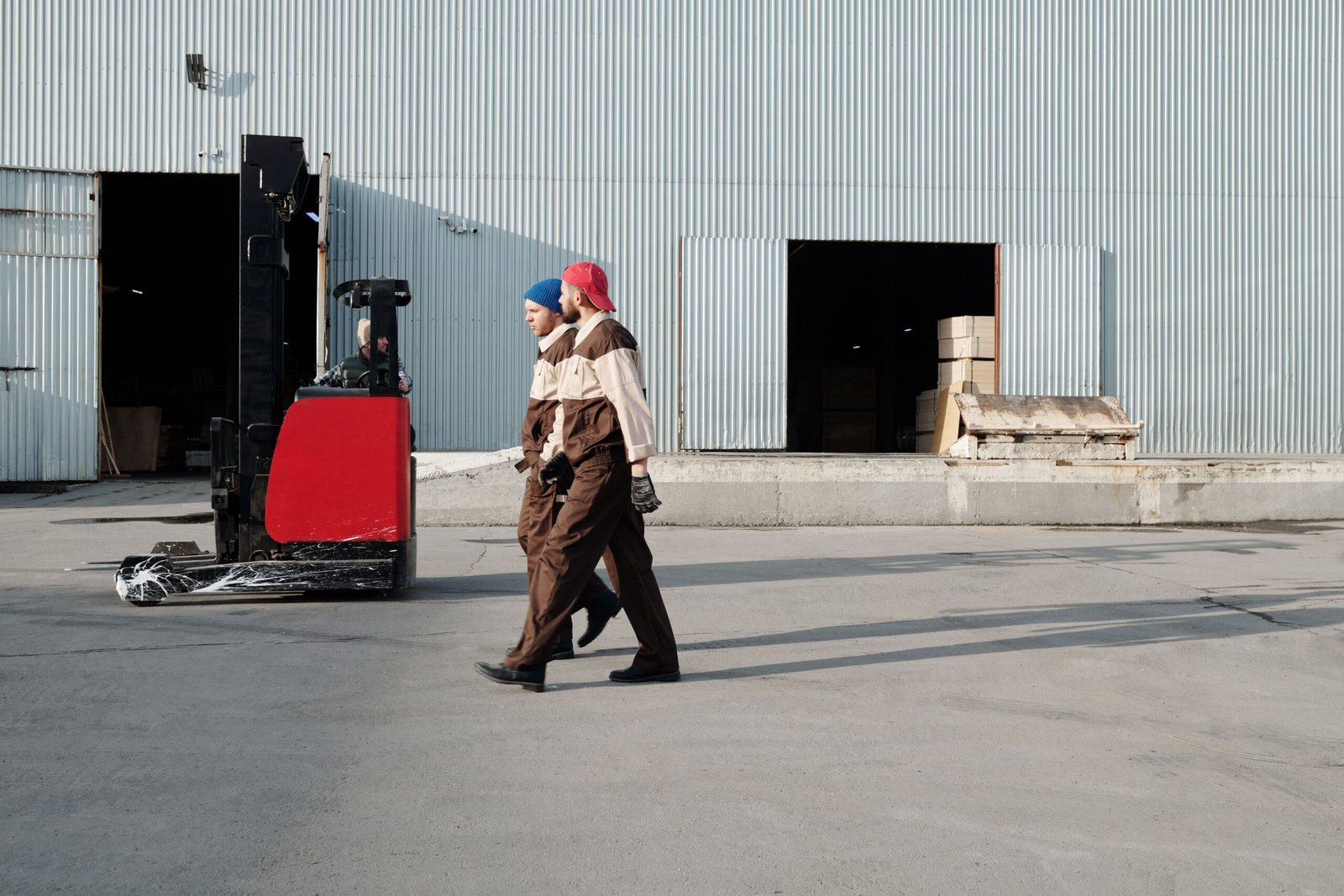
Are there any factory workers hiring in Canada in 2026? Yes, factory and manufacturing jobs are in demand. Factory jobs can provide an opportunity to enter the Canadian labour market.
Finding factory job opportunities is only one part of the process. Some Canadian employers can recruit foreign workers through immigration programmes that allow them to obtain employer-specific work permits. This guide explains the factory jobs available, where to find employers willing to hire foreigners, the requirements to meet, and how to apply for factory jobs with visa sponsorship in Canada.
Can foreigners get factory jobs with visa sponsorship in Canada?
Yes. Foreign nationals can obtain factory jobs in Canada through employers authorised to recruit temporary foreign workers.
One common route is the Temporary Foreign Worker Program (TFWP). Under this programme, eligible Canadian employers can hire foreign workers when they cannot find suitable Canadian citizens or permanent residents for available positions.
In many cases, the employer must obtain a positive Labour Market Impact Assessment (LMIA) before the successful candidate can apply for an employer-specific work permit.
Not every factory advertises jobs with visa sponsorship. Foreign applicants should concentrate on employers who are willing to recruit internationally and complete the necessary immigration procedures.
Types of factory jobs with visa sponsorship in Canada
Canadian manufacturing facilities employ workers in different departments. Some positions require previous experience, while others provide on-the-job training.
Here are some factory jobs worth considering.
1. Production line workers
Production line workers help manufacture products by operating equipment, assembling components, inspecting finished items, and keeping production moving.
Their responsibilities depend on the type of factory. Some may package products, while others handle materials or monitor automated production systems.
Employers generally look for candidates who can follow instructions, work efficiently, and maintain consistent production standards.
2. Food processing workers
Food processing factories manufacture and package products such as meat, seafood, dairy products, baked goods, and frozen foods.
Workers may sort ingredients, prepare products, operate processing equipment, inspect food quality, and package finished goods.
Some positions involve standing for extended periods and working in refrigerated environments.
Food processing is particularly worth investigating because certain food manufacturing occupations have specific provisions under Canada’s Temporary Foreign Worker Program.
3. Packaging workers
Packaging workers prepare manufactured goods for distribution and sale.
Typical responsibilities include placing products into containers, sealing packages, applying labels, checking quantities, and preparing finished goods for storage.
These positions are available in food factories, beverage plants, pharmaceutical manufacturing facilities and consumer goods companies.
4. Warehouse and factory material handlers
Material handlers move raw materials, packaging supplies and finished products around manufacturing facilities.
They may load and unload deliveries, organise inventory, supply production departments and prepare goods for shipment.
Some employers require forklift experience or certification, particularly for positions involving powered industrial equipment.
5. Machine operators
Machine operators operate and monitor equipment used in manufacturing processes.
Their duties may include adjusting machine settings, checking production output, identifying equipment problems, and reporting maintenance issues.
Previous factory experience is helpful, although some employers provide training for entry-level positions.
6. Assembly line workers
Assembly workers put together products or individual components according to production instructions.
They may work in automobile manufacturing, electronics production, furniture factories, and household equipment manufacturing.
Attention to detail, hand coordination, and the ability to perform repetitive tasks are important qualities.
7. Quality control inspectors
Quality control inspectors examine products to ensure they meet the required manufacturing standards.
They check for defects, measure product specifications, record inspection results, and report problems to supervisors.
Some positions require previous manufacturing experience or knowledge of quality assurance procedures.
8. Meat and poultry processing workers
Meat and poultry processing facilities employ workers to prepare, cut, sort, inspect, and package meat products.
The work can be physically demanding and may involve cold environments, protective clothing, and strict hygiene procedures.
Applicants should understand the physical requirements before accepting these positions.
9. Plastic manufacturing workers
Plastic manufacturing companies produce containers, packaging materials, household products, and industrial components.
Workers may operate production machinery, inspect finished products, remove excess materials, and package manufactured items.
Experience with manufacturing equipment can improve an applicant’s chances of securing these positions.
10. Factory cleaners and sanitation workers
Industrial cleaning workers maintain hygienic and safe manufacturing environments.
Their responsibilities may include cleaning production equipment, sanitising work surfaces, removing waste, and maintaining designated cleaning areas.
Food manufacturing facilities often have strict sanitation procedures, so employers may provide specific workplace training.
Requirements for factory jobs in Canada
Requirements differ depending on the employer, factory, and position. However, foreign applicants should generally prepare to meet the following conditions.
1. Educational qualifications: Many entry-level factory positions require secondary school education or an equivalent qualification. Technical positions may require additional training.
2. Work experience: Previous manufacturing, packaging, warehouse, or production experience can be beneficial. Some employers accept candidates without formal factory experience.
3. Physical fitness: Certain positions involve lifting, standing, bending, repetitive movements, and working for extended periods.
4. Communication skills: Basic English is useful for understanding instructions, safety procedures, and communicating with supervisors. French may be an advantage in some parts of Canada, particularly Quebec.
5. Technical skills: Machine operation, equipment handling, quality inspection, and forklift experience can improve employment opportunities.
6. Work permit eligibility: Foreign applicants must meet Canadian immigration requirements and obtain the appropriate authorisation before starting work.
How much do factory workers earn in Canada?
Factory salaries depend on the position, employer, location, experience, and number of working hours.
Entry-level production and packaging workers generally earn less than experienced machine operators, industrial technicians, and specialised manufacturing employees.
Other factors that influence earnings include:
- Province or territory where the factory operates.
- Whether the position involves night or weekend shifts.
- Previous experience and technical qualifications.
- Overtime opportunities.
- Employer-provided benefits.
Before accepting an offer, compare the advertised salary with the prevailing wage for the occupation and location.
Remember that overtime, bonuses, and other benefits should not be confused with guaranteed basic wages.
Canadian regions where you can find factory employment opportunities
Manufacturing facilities operate throughout Canada, but some provinces have particularly established industrial sectors.
1. Ontario: Ontario has a large manufacturing industry covering automobile production, food processing, machinery, electronics, and consumer products. Foreign applicants can investigate opportunities in cities such as Toronto, Windsor, London, and Hamilton.
2. Quebec: Quebec has manufacturing activities involving food products, aerospace, machinery, plastics, and industrial equipment. French language skills can be particularly valuable when applying for positions in this province.
3. Alberta: Alberta offers manufacturing opportunities in food processing, industrial equipment, metal fabrication, and other production activities.
4. British Columbia: Manufacturing industries in British Columbia include food processing, wood products, seafood processing, and packaging.
5. Manitoba: Manitoba has manufacturing facilities producing food products, agricultural equipment, transportation components, and industrial materials.
6. Saskatchewan: The province has opportunities in food processing, agricultural manufacturing, metal products, and industrial production.
Applicants should compare actual vacancies rather than assume that every factory in these regions recruits international workers.
Companies and industries to investigate for factory jobs
Foreign job seekers can research Canadian manufacturers operating in different production sectors. However, a company’s presence in Canada does not automatically mean it offers visa sponsorship.
The following businesses are useful starting points for researching manufacturing careers:
1. Maple Leaf Foods: A major food manufacturing business with operations involving meat and prepared food products. Investigate production, processing, packaging, and sanitation vacancies.
2. Saputo: A dairy processing company with manufacturing operations across Canada. Potential job categories include production, packaging, equipment operation, and quality control.
3. Cargill Canada: Operates in food and agricultural processing. Candidates can investigate manufacturing, food production, and processing opportunities.
4. Olymel: A Canadian food processing business involved in pork and poultry products. Its operations make it worth researching for processing and production vacancies.
5. Magna International: A major automotive supplier with manufacturing facilities in Canada. Relevant career areas include assembly, production, machine operation, and manufacturing support.
6. Linamar: An advanced manufacturing company involved in automotive and industrial products. Applicants with mechanical and production experience can investigate its factory vacancies.
Before applying, check the specific job advertisement to establish whether the employer accepts international candidates and is prepared to support the required work permit process.
How to find factory jobs with visa sponsorship in Canada
Finding an employer willing to recruit internationally requires a targeted job search. Instead of applying randomly to every factory vacancy, concentrate on employers that have experience hiring foreign workers.
1. Search the Canadian Job Bank
The Canadian government’s Job Bank is one of the most useful places to find factory vacancies.
Its Temporary Foreign Workers section features employers who have already obtained or applied for an LMIA.
Search using terms such as:
- Factory worker
- Food processing worker
- Production worker
- Packaging operator
- Manufacturing labourer
- Machine operator
- Meat processing worker
Read each advertisement carefully to confirm the employer’s recruitment requirements.
2. Visit manufacturing company career pages
Many large manufacturers advertise vacancies through their official recruitment platforms.
Search for production, packaging, assembly, and processing positions. Check whether the vacancy accepts international applicants before submitting your application.
3. Use international job recruitment platforms
You can also investigate manufacturing vacancies through established employment websites such as Indeed and LinkedIn.
Use targeted searches containing phrases such as “LMIA factory jobs Canada” and “manufacturing jobs open to foreign workers.”
Verify every vacancy against the employer’s official recruitment information.
4. Contact recruitment agencies
Some Canadian recruitment agencies help manufacturing companies identify suitable workers.
Look for established agencies with verifiable business details and experience recruiting for industrial positions.
Ask whether the vacancy is open to candidates outside Canada and whether the employer supports the immigration process.
How to apply for factory jobs with visa sponsorship in Canada
Follow these steps to improve your chances of securing a genuine factory job.
Step 1: Prepare your Canadian-style CV
Create a professional CV that highlights your education, employment history, practical skills, and relevant factory experience.
Include previous work involving production, packaging, machine operation, warehouse activities, or quality inspection.
Step 2: Identify employers recruiting foreign workers
Search the Job Bank and company recruitment pages for vacancies that accept international applicants.
Prioritise advertisements that clearly explain the employer’s willingness to recruit temporary foreign workers.
Step 3: Submit your application
Follow the employer’s application instructions. Attach your CV and any requested certificates or supporting documents.
Explain your relevant experience and your availability to relocate.
Step 4: Attend an interview
If shortlisted, you may be invited to an online interview.
Prepare to discuss your previous employment, ability to follow safety procedures, willingness to work shifts, and understanding of the advertised responsibilities.
Step 5: Confirm the employer’s immigration arrangements
If selected, ask whether the employer needs an LMIA and whether it has received a positive decision.
For an LMIA-required position, the employer must provide the necessary documents for your work permit application.
Step 6: Apply for your Canadian work permit
Once you have the required employment and immigration documents, submit your employer-specific work permit application to Immigration, Refugees and Citizenship Canada (IRCC).
You may need to provide your passport, employment documents, biometrics, and other supporting information.
Wait for the required approval before travelling to Canada to begin employment.
Documents needed to apply for factory jobs in Canada
Prepare the following documents where applicable:
- Valid international passport.
- Updated professional CV.
- Educational certificates.
- Previous employment references.
- Technical or vocational training certificates.
- Relevant professional licences or certifications.
- Genuine job offer and employment documents.
- LMIA-related documents, where required.
- Work permit application documents.
- Medical examination or police certificates, if requested.
The exact requirements depend on the position and your immigration circumstances.
Can you get a factory job in Canada without experience?
Yes. Some Canadian factories recruit entry-level workers and provide practical training after employment begins.
Packaging, basic production, food processing, and sanitation positions may be accessible to candidates with limited experience.
Getting hired without experience does not mean an employer will automatically sponsor your visa.
To improve your chances, consider gaining experience in a local manufacturing facility, warehouse, or food processing business before applying internationally.
Even a short period of relevant employment can help demonstrate that you understand production environments and workplace responsibilities.
Do Canadian factory employers provide accommodation and other benefits?
Some manufacturing employers provide additional benefits, but accommodation is not guaranteed with every factory job.
Depending on the employer, an employment package may include:
- Medical and dental benefits.
- Paid holidays and vacation.
- Pension or retirement contributions.
- Overtime opportunities.
- Employee training.
- Transportation assistance.
- Temporary accommodation or relocation support.
Always check the written employment agreement to establish which benefits are actually included.
If accommodation is advertised, ask whether it is free, subsidised, or deducted from your wages. Also confirm the location and living arrangements before accepting the offer.
How to avoid visa sponsorship scams
Foreign job seekers should be careful when dealing with individuals claiming to offer guaranteed Canadian employment.
A genuine job opportunity should come with verifiable employer information, clearly explained responsibilities, realistic wages, and a legitimate recruitment process.
Watch out for these warning signs:
- Someone demands a large payment in exchange for a guaranteed job offer; don’t fall for them.
- A recruiter promises a guaranteed work permit or permanent residence.
- An employer refuses to provide a written employment agreement.
- A recruiter uses unofficial email addresses while claiming to represent a major company.
- Someone asks you to pay for an LMIA.
Under Canada’s Temporary Foreign Worker Program, employers cannot recover LMIA processing fees from temporary foreign workers.
Verify the employer independently and confirm immigration requirements through official Canadian government information before making payments or sharing sensitive documents.
Conclusion
Factory jobs with visa sponsorship in Canada can provide foreign workers with an opportunity to gain international work experience and earn an income in the manufacturing industry.
Production, packaging, food processing, machine operation, and assembly are among the positions worth investigating.
Leave a Reply