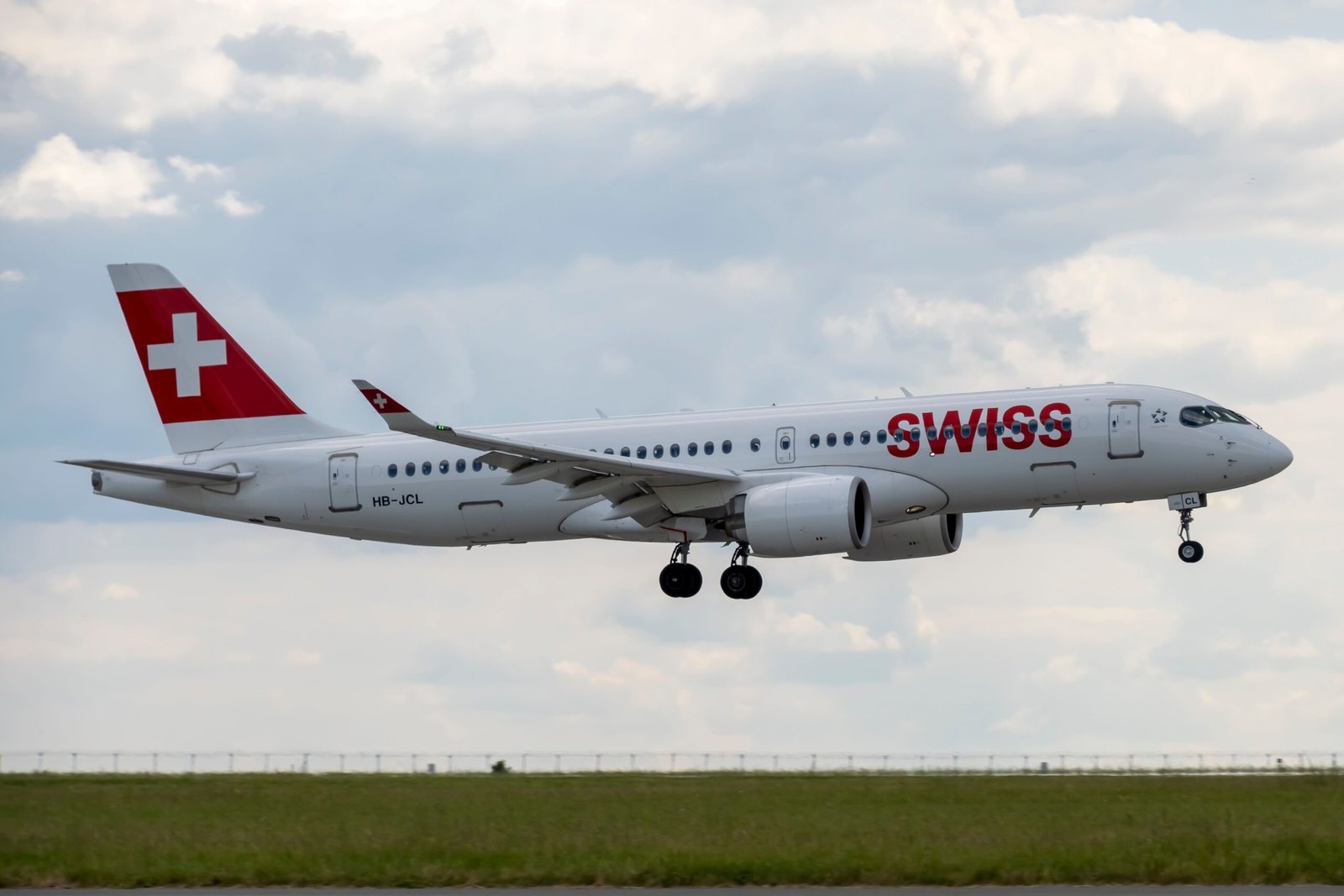
If you are planning to move to Switzerland, it is one of the safest countries today. Before moving, you need to understand some rules. Unlike some European countries, Switzerland has relatively strict immigration rules for people from outside the European Union (EU) and the European Free Trade Association (EFTA)
Whether you are relocating, to secure a job, pursue higher education, start a business, or join a family member, understanding the available immigration pathways can help you choose the best option. We have created this guide to help you understand more.
1. Relocate to Switzerland through a work visa
Getting a job with a Swiss employer is one of the most practical ways to relocate to Switzerland, especially for qualified professionals. The country has a strong demand for experienced workers in industries such as information technology, engineering, healthcare, pharmaceuticals, finance, and scientific research.
Switzerland does not offer unrestricted work permits to everyone who receives a job offer. For applicants from outside the EU and EFTA, including Ghana and other African nationals, the requirements are stricter.
Who qualifies for a Swiss work permit?
Non-EU/EFTA applicants generally need to meet the following conditions:
- Hold a university degree or relevant advanced professional qualification.
- Have several years of experience in their occupation.
- Secure a job offer from a Swiss employer.
- Possess skills that are needed in the Swiss labour market.
- Meet the applicable salary and employment conditions.
The employer must also demonstrate that a suitable candidate could not be found in Switzerland or the EU/EFTA region. Work permits for non-EU/EFTA nationals are subject to annual quotas.
How to apply for a Swiss work visa
Start by identifying employers that recruit international professionals. Focus on positions that match your qualifications and experience rather than applying randomly to every vacancy.
Prepare a professional CV, educational certificates, employment references, and any relevant professional licences. If your qualifications need recognition, check the requirements for your occupation before applying.
Once you receive a suitable job offer, your employer submits the work permit application to the relevant cantonal authority. If approved, you can complete the necessary visa formalities through the Swiss embassy or consulate responsible for your country.
Best for: Experienced professionals, managers, engineers, IT specialists, healthcare professionals and other highly qualified workers.
2. Relocate to Switzerland through a student visa
Studying in Switzerland can provide an opportunity to experience the country, gain internationally recognised qualifications and develop professional connections. It is particularly attractive to international students interested in business, hospitality, engineering, finance, technology and scientific research.
Switzerland has several recognised universities and higher education institutions offering undergraduate, postgraduate and doctoral programmes. However, international students must demonstrate that they can finance their education and living expenses.
Requirements for a Swiss student visa
Applicants from outside the EU/EFTA generally need to:
- Receive admission from a recognised Swiss educational institution.
- Provide proof of sufficient financial resources.
- Have valid travel documents.
- Submit the required visa and residence permit applications.
- Provide academic records and other supporting documents.
- Demonstrate that they have suitable accommodation and meet the relevant study conditions.
Students should apply for the appropriate visa before travelling if their nationality requires one. The exact documentation and financial requirements depend on the canton and institution.
Can you work while studying in Switzerland?
International students may be allowed to work part-time under specific conditions. For non-EU/EFTA students, employment is generally restricted during the first six months of study, subject to applicable exceptions. After that period, eligible students may work up to 15 hours per week during the academic term, with additional possibilities during holidays.
You should confirm the conditions attached to your permit before accepting employment.
Can you stay in Switzerland after graduation?
One important advantage of studying in Switzerland is the opportunity to search for employment after completing your qualification.
Non-EU/EFTA graduates of Swiss higher education institutions can generally receive up to six months to find a job matching their qualifications. However, obtaining employment does not automatically guarantee a work permit; the relevant immigration and labour market requirements still apply.
Best for: International students, recent graduates and professionals seeking advanced qualifications that can improve their employment prospects.
3. Relocate to Switzerland through family reunification
Family reunification is another legitimate immigration pathway for people who have close family members legally living in Switzerland. If your spouse, registered partner, or eligible children are already residing in the country, you may qualify to join them.
This option can be particularly useful for married couples who want to live together rather than maintain separate households in different countries.
Who can apply for family reunification?
The eligibility requirements depend on the immigration status of the family member living in Switzerland.
For third-country nationals, eligible family members generally include:
- A legally recognised spouse or registered partner.
- Unmarried children under the age of 18.
Swiss citizens and people with different residence statuses may have additional family reunification rights.
Requirements for family reunification
Applicants may need to provide:
- Valid passports and identity documents.
- A marriage certificate or birth certificates proving the family relationship.
- Evidence of suitable accommodation in Switzerland.
- Proof of sufficient financial resources.
- Documents showing that the sponsor meets the applicable residence requirements.
- Language course registration or evidence of basic language ability where required.
The sponsor must generally demonstrate that the family can be supported without relying on social assistance. Adequate housing is also an important consideration.
Applications should be submitted within the applicable deadlines. For many eligible family members, the general deadline is five years, while applications involving children over 12 are usually subject to a shorter one-year deadline.
Best for: Married couples, parents seeking to reunite with eligible children, and individuals with qualifying close family members in Switzerland.
4. Relocate to Switzerland through business investment or self-employment
Entrepreneurship is another possible route for people who want to establish a business in Switzerland rather than work for an existing employer.
Switzerland has an attractive business environment, supported by a stable economy, international markets, developed infrastructure and access to skilled professionals. Industries such as technology, financial services, biotechnology, consulting and specialised manufacturing may offer opportunities for entrepreneurs.
Registering a company in Switzerland does not automatically give a foreign business owner the right to live or work there.
What are the requirements for foreign entrepreneurs?
Non-EU/EFTA nationals seeking residence through self-employment generally need to demonstrate that their proposed business will serve Switzerland’s wider economic interests.
Important considerations include:
- A credible and detailed business plan.
- Sufficient startup capital and financial resources.
- Evidence that the business can operate sustainably.
- Potential to create employment opportunities.
- A positive contribution to the Swiss economy.
- Relevant business experience and professional qualifications.
Authorities assess whether the proposed activity has genuine economic value and whether the applicant can support themselves financially.
How to apply through self-employment
Begin by researching the Swiss market and identifying a business opportunity with realistic demand. Prepare a business plan covering your services, target customers, expected revenue, operating costs, financing and employment projections.
You should then contact the relevant cantonal migration and economic authorities to establish the applicable requirements and submit your application.
Approval is not automatic, and the assessment depends on the business proposal and the applicant’s circumstances.
Best for: Experienced entrepreneurs, business owners, investors who intend to establish and operate a qualifying business, and professionals with viable business proposals.
5. Relocate to Switzerland through retirement or financial independence
If you have sufficient financial resources and do not intend to work in Switzerland, retirement or residence as a financially independent person may be worth exploring.
This route is particularly relevant to retirees who want to enjoy Switzerland’s peaceful environment, excellent healthcare facilities, and high quality of life without depending on employment income.
However, the eligibility requirements are different for EU/EFTA citizens and applicants from other countries.
Requirements for non-EU/EFTA retirees
Non-EU/EFTA nationals generally need to meet specific conditions to qualify for a Swiss retirement residence permit. These include:
- Being at least 55 years old.
- Having special personal connections to Switzerland.
- Demonstrating sufficient financial resources.
- Having adequate health and accident insurance.
- Being able to support themselves without relying on Swiss social assistance.
The special personal connections requirement means that having money alone is not enough. Authorities assess whether the applicant has meaningful existing ties to Switzerland.
This permit is also not intended for people who want to continue working while living in the country.
What about financially independent applicants?
Some residence permits may be available in exceptional circumstances where a foreign national’s presence serves important cantonal fiscal interests. However, these arrangements are discretionary, subject to strict conditions and approval by the relevant authorities.
Switzerland does not operate a general residence-by-investment programme that automatically grants residency simply because someone purchases property or deposits money in a Swiss bank.
Best for: Wealthy retirees aged 55 and above who meet the personal connection requirements, and financially independent individuals who qualify under exceptional residence provisions.
Important things to consider before relocating to Switzerland
Choosing an immigration pathway is only the beginning. Before moving, consider the practical and financial responsibilities involved in establishing yourself in Switzerland.
1. Understand the cost of living
Switzerland is an expensive country, particularly in major cities such as Zurich, Geneva, Basel,l and Lausanne. Housing, groceries, transportation, childcare, and healthcare can take up a significant portion of your income.
Prepare a realistic budget before relocating. Consider your expected salary, rent, compulsory health insurance premiums, transportation expenses, and emergency savings.
2. Learn an official Swiss language
Switzerland has four national languages: German, French, Italian, and Romansh. The language you need will depend on the canton where you intend to live.
German is widely used in much of the country, while French is dominant in western Switzerland and Italian is spoken in the southern canton of Ticino.
Learning the local language can improve your employment opportunities, make everyday activities easier and support long-term integration.
3. Prepare your immigration documents.
Keep your important documents organised before starting your application. Depending on your immigration category, you may need:
- A valid international passport.
- Educational certificates and transcripts.
- Professional qualifications and employment references.
- Marriage or birth certificates, where applicable.
- Proof of financial resources.
- Police clearance certificates, where requested.
- Health insurance documentation.
- Employment contracts, admission letters or business plans, depending on your route.
Some documents may need official translations, certification or legalisation.
4. Understand Swiss residence permits.
Your residence permit depends on why you are moving and how long you intend to stay. Common categories include the L permit for short-term residence, the B permit for temporary residence, and the C permit for settlement after meeting the relevant requirements.
Most foreign nationals staying in Switzerland for more than three months require an appropriate residence permit. After arrival, you generally need to register with your local commune within 14 days and before starting employment, where applicable.
Conclusion
I have seen a lot of people ask this question: How difficult is it to relocate to Switzerland? Most people believe it is almost impossible to relocate to Switzerland; if you are serious about relocating, you can achieve it. You need to understand immigration rules and know what type of visa suits you; with the right preparation, you can move to Switzerland to start a new life.
Leave a Reply